

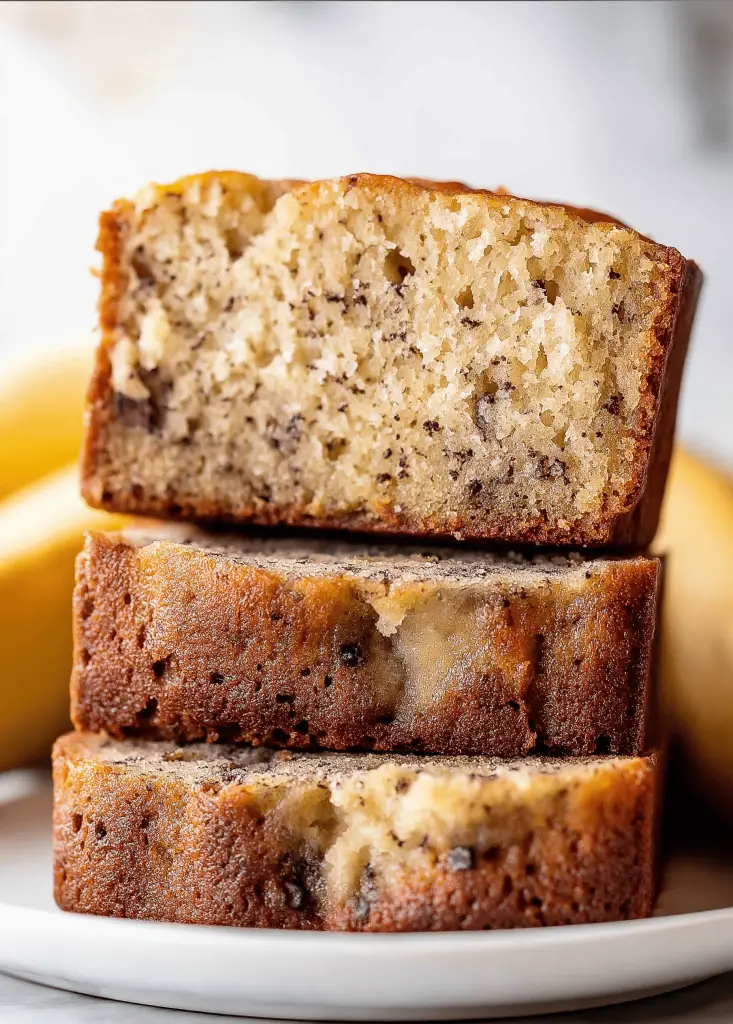
If I had to pick a Comfort Food that instantly whisks me back to lazy Sunday mornings or cozy afternoons in my childhood kitchen, it would hands down be lemon bread. There’s something about that perfect blend of tangy citrus and soft, buttery crumb that makes my whole house smell like happiness. Honestly, I almost don’t want to call this just a “bread”—it’s more like a citrusy hug in loaf form. I’ve made countless batches of this lemon bread over the years, tweaking here and there, and I swear it’s become one of those recipes my family can’t get enough of. My kids ask for this all the time, especially when I sprinkle a little powdered sugar on top or drizzle a simple glaze. It’s incredibly easy to pull together—perfect for busy mornings or when you want to impress without breaking a sweat. I always do this when I need a quick dessert or a snack that feels fancy but is truly no-fuss. Trust me, once you try it, I think it will become a staple in your home too.
Thank you for reading this post, don't forget to subscribe!What is lemon bread?
Think of lemon bread as the love child of a soft, buttery cake and a bright, Zesty Lemon muffin. It’s essentially a loaf of tender bread flavored with fresh lemon zest and juice, resulting in a tangy, sweet treat that can be enjoyed at any time of the day. The name itself says it all—lemon + bread—yet it’s so much more than just an ordinary loaf. It’s a versatile, crowd-pleasing baked good that’s perfect for breakfast, brunch, or dessert. Some recipes lean more towards cake-like, with a moist crumb, while others are denser and more bread-like, making them great for spreading with butter or jam. I like to think of it as a refined, citrus-infused quick bread that’s as comforting as it is sunny. It’s also fantastic for making ahead since it stays moist and flavorful for days—if it lasts that long! I’ve even tested it with a handful of blueberries or poppy seeds for an extra twist. Basically, lemon bread is the kind of recipe that makes everyone smile—and it’s a total lifesaver on busy nights when I want something homemade but quick.
Why you’ll love this recipe?
What I love most about this lemon bread is how it somehow manages to be both simple and totally irresistible. First off, the flavor—oh my goodness, it’s like biting into a slice of sunshine. The zing of fresh lemon zest hits just right, balanced by the sweetness of sugar and the richness of butter. It’s bright without being overpowering and perfect for those who love a subtle citrusy kick. Plus, the aroma that fills the house when it’s baking? Heaven. It’s honestly one of those recipes that feels a little special, yet I can make it on a weekday without any stress. Another reason I keep coming back to this is that it’s budget-friendly. The ingredients are staples most of us keep on hand—flour, eggs, butter, sugar, and plenty of fresh lemons. No fancy gadgets needed. You can serve it sliced plain with a cup of coffee, spread with Cream Cheese, or topped with a drizzle of glaze. It’s so versatile that my family requests it for birthdays, family brunches, or just when I want a quick pick-me-up. And what’s great is that it’s equally delightful as a breakfast treat or a sweet snack when cravings hit after dinner. Honestly, this lemon bread has become my go-to for whenever I need a little bit of sunshine on a plate.
How do I make lemon bread?
Quick Overview
This lemon bread comes together in a matter of minutes—no complicated techniques or fancy ingredients. It’s basically mixing wet and dry components, adding a fresh lemon twist, layering in a bit of love, and then baking until golden. What I love is how foolproof it is: just don’t overmix the batter, and you’ll end up with a moist, tender loaf. The secret is incorporating the lemon zest into the batter at the right time so that every bite is bursting with citrus flavor. The filling—if you decide to add one—is simply a tangy lemony jam or Cream Cheese Swirl, which takes it over the top. Plus, a quick glaze or dusting of powdered sugar just before serving makes it look so pretty, like you went to a fancy bakery. And the best part? It’s adaptable—servings can vary from breakfast toast to dessert. If you can stir, you can make this lemon bread—easy, fast, and endlessly customizable.
Ingredients
For the Main Batter:
- 2 cups all-purpose flour (I use unbleached if I want an extra hearty loaf)
- 1 ½ teaspoons baking powder
- ½ teaspoon salt
- ¾ cup granulated sugar
- ½ cup unsalted butter, softened (trust me, don’t skip the butter—makes it so tender!)
- 3 large eggs (room temperature works best)
- Juice and zest of 2 large lemons (freshly grated zest makes all the difference)
- ½ cup buttermilk or Sour Cream (I tested with almond milk but prefer dairy here)
li>¼ teaspoon baking soda (optional but nice for extra fluffiness)
For the Filling:
“The Zesty Lemon Bread How Easy Is This turned out amazing. My kids asked for seconds. Saving this one!”
- 1/3 cup lemon curd or lemon jam (feel free to experiment with blueberry or raspberry jams)
- 1 ounce cream cheese, softened (optional but adds richness)
For the Glaze:
- ½ cup powdered sugar
- Juice of 1 lemon
- Optional: a splash of vanilla extract or honey for added flavor
Step-by-Step Instructions
Step 1: Preheat & Prep Pan
I always start by preheating my oven to 350°F (175°C). Grease a standard loaf pan—I use butter and a little flour or line it with parchment paper for easy removal. Setting things up early makes everything smoother later. Prepare your ingredients so they’re at room temp, especially those eggs and butter, because it helps everything mix evenly and makes the batter super tender.
Step 2: Mix Dry Ingredients
In a bowl, whisk together the flour, baking powder, baking soda, and salt. This step ensures everything is evenly distributed, so your leavening works uniformly. This is the moment I also grate the lemon zest—trust me, don’t skip this, it pumps up the citrus flavor tremendously. I’ve learned that zesting directly into the dry mix boosts the scent and taste all in one go.
Step 3: Mix Wet Ingredients
In a large mixing bowl, cream the softened butter and sugar until light and fluffy—this is where the magic begins. I usually do this for about 2-3 minutes on medium speed. Add the eggs one at a time, mixing well after each, to keep the batter smooth and cahoot with the lemon juice and zest. I like to add the lemon juice gradually here, so it doesn’t curdle—though a little curdling won’t ruin it, just mix well!
Step 4: Combine
Stir in the sour cream or almond milk, then gradually add the dry ingredients. I do this in parts, folding gently to avoid overmixing. Overmixing can make the bread dense, so I stop just when everything’s combined and no streaks of flour remain.
Step 5: Prepare Filling
If using lemon curd or jam, gently fold it into the batter or set it aside for layering later. For the cream cheese layer, I soften it first and dollop bits into the batter or hot loaf later—it melts into the bread, creating a beautiful swirl. You can customize the filling with berries or even a sprinkle of poppy seeds—they all work well and add that little extra something.
Step 6: Layer & Swirl
Pour half of the batter into the pan, then dollop or spread your filling, followed by the rest of the batter on top. Use a knife or skewer to create swirls—this is a fun step! I usually do a figure-eight motion to get nice marbling, but you can experiment with patterns. Keep the layers gentle so they don’t mix completely; instead, you want pretty ribbons of lemony goodness throughout the loaf.
Step 7: Bake
Pop it into the oven and bake for about 50-60 minutes, or until a toothpick inserted in the center comes out clean. Keep an eye on the top—if it browns too quickly, tent it with foil. The smell alone makes my whole house happy. It’s done when the edges are golden and a little cracked on top, which is just perfect!
Step 8: Cool & Glaze
Let the bread cool in the pan for about 15 minutes, then transfer it to a wire rack. This cooling period helps it set so it doesn’t crumble when sliced. Mix your glaze ingredients and pour over warm or cooled bread, depending on how glazy you want it. I like to do this while it’s still warm because the glaze soaks in a little, making every bite sweet and citrusy.
“Packed with flavor and so simple. Exactly what I wanted from this Zesty Lemon Bread How Easy Is This!”
Step 9: Slice & Serve
Once cooled completely, carefully slice with a serrated knife. I like to serve it with a cup of tea or a splash of extra lemon juice on the side. You can dust it with powdered sugar or add a dollop of whipped cream—whatever makes it extra special! Trust me, it disappears in minutes at my house, especially when I make it for friends or family gatherings.
What to Serve It With
This lemon bread is endlessly versatile, so I love pairing it differently depending on the occasion. For breakfast, I serve it warm with a smear of butter and a hot cup of coffee. It’s also beautiful sliced and stacked on a brunch table alongside fresh fruit and yogurt—fancy enough to impress guests but so easy to prepare. As a dessert, I like to drizzle it with a little more lemon glaze or top with whipped cream and berries. It’s equally delightful as a casual snack—toast a slice, spread with cream cheese, and sprinkle a little more lemon zest. When I want to keep it simple, I just dust it with powdered sugar and call it a day. Honestly, this lemon bread has become a family classic that I often make when I need a comforting pick-me-up or a thoughtful gift for friends. And I promise, it’s just as loved by kids as it is by adults—everyone asks for seconds!
Top Tips for Perfecting Your Lemon Bread
Over the years, I’ve picked up a few tricks that take this lemon bread from good to truly exceptional. First, don’t overmix the batter once you add the wet and dry ingredients—it’s tempting, but overmixing makes the crumb tough. Just fold gently until everything is combined. The lemon zest is the secret to that fresh, vibrant flavor, so don’t skimp—use a microplane for the best zest and add it at the right step for maximum impact. If you want a more intense lemon flavor, squeeze in a little lemon extract or add a teaspoon of lemon oil to the batter. When swirling in the filling, try creating a beautiful marbled pattern—your presentation will elevate this from simple to stunning. I’ve tested swaps, like using yogurt instead of sour cream, which makes it a bit tangier, or coconut sugar for a more caramelized flavor. For baking, always check the bread a few minutes early if your oven runs hot—it’s better to underbake slightly than overbake, which dries it out. And when applying the glaze, make sure the bread has cooled just enough so it doesn’t slide off, but it’s still warm enough to absorb the citrusy sweetness. My biggest lesson was learning to store it properly; I usually wrap it tightly in plastic, and it stays moist for days. If you want to make it gluten-free, try using a mix of almond flour and gluten-free baking blend, but remember, the texture will be slightly different—still delicious, just a little more crumbly. My advice? Play around, trust your nose, and don’t be afraid to adjust sweetness or citrus intensity based on your taste. Kisses of lemon zest in every slice—your friends will thank you!
Storing and Reheating Tips
This lemon bread keeps beautifully, but a few tips make all the difference. If you’re planning to keep it for a couple of days, store it tightly wrapped in plastic or in an airtight container at room temperature—no need to refrigerate unless it’s really hot outside. I always say that on the second day, a quick toast revives the moistness and makes it taste fresh again. If you want to keep it longer, pop the loaf in the fridge in an airtight container—just be mindful it can dry out a bit, so sometimes I warm it gently in the oven or microwave before serving. Freezing is a great option, especially if you’re making it ahead for a special occasion. Wrap the slices well with plastic wrap and foil, then freeze for up to three months. Thaw at room temperature or warm slightly in the oven—trust me, it still tastes incredible even after freezing. As for the glaze, you can add it before or after storage. Honestly, I like to leave it off if I plan to freeze and add it fresh when serving, so it stays shiny and bright. Proper storage keeps that lovely, tender crumb intact and preserves the bright lemon flavor, so every slice feels like fresh out of the oven.
Frequently Asked Questions
Final Thoughts
If you’re anything like me, baking a loaf of lemon bread is more than just mixing ingredients—it’s about the little moments of joy, the smell that fills the house, and hearing your family eagerly ask for seconds. This recipe has been a staple in my kitchen for ages because it’s easy, forgiving, and endlessly adaptable. It’s one of those rare treats that feels special enough to serve to guests but simple enough to make on a quiet weeknight. Every time I slice into that moist, zesty crumb, I’m reminded of lazy summer mornings or cozy winter afternoons. I love playing around with flavor variations—sometimes adding blueberries, sometimes swapping in a dash of vanilla—but honestly, the classic lemon version never disappoints. If you give this a try, I’d love to hear how yours turns out! Share your tweaks, your stories, or just how much you loved the smell wafting through your kitchen—happy baking!


lemon bread
Ingredients
Main Ingredients
- 1.5 cups all purpose flour
- 0.75 cup granulated sugar
- 1 teaspoon baking powder
- 0.5 teaspoon salt
- 2 large eggs
- 0.33 cup oil
- 5 ounces evaporated milk
- 1 teaspoon pure lemon extract
- 1 large lemon zest
- 0.5 cup powdered sugar
- 2 tablespoons lemon juice
Instructions
Preparation Steps
- Preheat oven to 350°F. Spray an 8.5” by 4.5” loaf pan with nonstick cooking spray.
- Whisk flour, sugar, baking powder, and salt in a large bowl.
- In a separate bowl, whisk eggs, oil, evaporated milk, lemon extract, and lemon zest. Mix wet ingredients into dry until just combined.
- Pour batter into prepared loaf pan and bake for 40-45 minutes, until a toothpick inserted in the center comes out clean.
- Mix powdered sugar with lemon juice and drizzle over cooled bread. Serve slices with or without glaze.