
There’s this little memory I cherish from when I was a kid. I’d sneak into my grandma’s kitchen, eyes wide with anticipation, and wait for her to cut up ripe, golden piñas (that’s Spanish for pineapple). The smell alone—sweet, tangy, and just a hint of tropical warmth—would fill the air and make my mouth water. I always do this when I want a little escape to the islands without leaving my backyard. Nothing beats biting into that juicy, slightly fibrous sweetness, feeling like a little piece of sunshine just exploded in my mouth. Over the years, I’ve realized that piña isn’t just a fruit—it’s a symbol of celebration, freshness, and that deliciously complex flavor that keeps everyone coming back for more. Whether it’s in a cocktail, a salad, or my grandma’s secret Pineapple Cake, that bright, vibrant flavor always makes things better. Trust me, there’s something about piña that just lifts the spirits and awakens the senses—like a tiny vacation in every bite.
What Is Piña?
Think of piña as the jewel of tropical fruits—bright, cheerful, and irresistibly sweet. It’s essentially the pineapple, a fruit that hails from the lush rainforests of South America, but now it’s loved worldwide. The name “piña” is Spanish for pinecone, which makes sense because of its rough, spiky exterior that resembles a little green pinecone. Inside, the flesh is golden-yellow, juicy, and packed with a tangy sweetness that hits all the right notes on your taste buds. Piña is often used in tropical dishes and drinks, but honestly, I could eat it plain—just frozen or fresh—anytime. That vibrant flavor, combined with its natural sugars and zing of acidity, makes piña a versatile ingredient that can brighten up everything from a simple snack to an elegant dessert. It’s a fruit that embodies sunshine and summer, no matter what season it is.
Why do you love this movie?
What I love most about piña is how it instantly transports me somewhere warm and breezy, even if I’m stuck inside on a cold day. It’s like a burst of sunshine in the middle of winter. Plus, it’s surprisingly easy to work with—no fancy techniques, just wholesome, fresh fruit. The cost? Honestly, once you buy a good pineapple, it’s a lifesaver on busy nights when I need a quick sweet treat without any fuss. I’ve made countless pineapple recipes, and each time, it’s that unbeatable combination of sweet and tangy that keeps everyone asking for seconds. And the best part? You can enjoy piña in so many ways—fresh slices, grilled, in smoothies, or even caramelized and baked into cakes. It’s incredibly versatile, and my family insists that a slice of pineapple on the side makes everything better. If you’re a fan of tropical flavors, getting to know piña better is like opening a treasure chest of delicious possibilities.
How do I make Pia Magic (in your kitchen)?
Quick Overview
Making something delightful with piña is surprisingly simple. You start with a ripe pineapple—look for a fragrant aroma and a slight give when you press it. Peeling and slicing are straightforward, but I recommend removing the core (it’s tougher and less sweet) for most recipes. Whether you’re tossing it into a salad, making a baked pineapple dessert, or blending into a smoothie, the key is in choosing the ripest, juiciest fruit you can find. I usually cut mine into chunks, which makes it perfect for pretty much everything. The real trick? Letting the natural sweetness shine—so don’t overcomplicate things. Sometimes, I just sprinkle a little sugar or lime on top and let it sit for a few minutes to enhance the flavors before serving. Once you’ve got your pineapple prepped, the possibilities are endless—and trust me, the smell alone will make your kitchen feel like a tropical escape.
Ingredients
For Fresh Pineapple Slices:
– 1 ripe pia (look for one with a sweet aroma and green leaves that are fresh and not wilted)
– Optional: a squeeze of fresh lime or lemon for extra zing
– Optional: a sprinkle of sugar or honey for added sweetness
For Pineapple Baked Goods:
– 1 large pineapple (peeled, cored, and chopped)
– 1 cup Brown Sugar (for caramelization)
– 2 tbsp butter or coconut oil
– Spices like cinnamon or ginger for warmth
For the Garnish & Extras:
– Fresh mint leaves
– Coconut flakes
– Honey or syrup for drizzling
Step-by-Step Instructions
Step 1: Preheat & Prep Pan
If you’re baking pineapple, preheat your oven to 375°F (190°C). For fresh slices, just grab a sharp knife and a sturdy cutting board. I always do this when I want perfectly even slices—trust me, a sharp knife is your best friend. Make sure your pineapple is at room temperature for easy peeling. Cut off the crown and base, then stand it upright. Slice away the outer skin, making sure to remove all the spiky parts. To keep it neat, I remove the core if I want softer, sweeter bites, but you can leave it if you prefer a crunchier texture. For grilling or baking, cut into rings or chunks, depending on your recipe. It’s a simple step, but it’s the foundation of lots of delicious pineapple magic.
Step 2: Mix Dry Ingredients
For recipes like baked pineapple cakes, I usually toss a little cinnamon and a pinch of salt with the sugar. This helps enhance the natural flavors without overpowering the fruit. If I’m making a Fruit Salad, I skip the dry ingredients and go for fresh and light. The key here is balance—nice, even coatings of spices or sugar so each bite is bursting with that tropical goodness.
Step 3: Mix Wet Ingredients
If you’re adding citrus or sweeteners, this is when I squeeze lime or lemon juice over the pineapple slices for that bright, tangy glow. A little honey or maple syrup can mellow out the acidity and add a little glaze. I sometimes whisk together melted butter with a splash of vanilla for a baked recipe—just enough to coat and caramelize perfectly. I learned this trick after a few burnt edges—moderation and even coating are all you need.
Step 4: Combine
When you’re combining wet and dry, do it gently. Overmixing can turn your baked pineapple into a rubbery mess, and nobody wants that. I fold everything together with a spatula until just combined—this keeps the texture light and tender. For smoothies or salads, just toss everything lightly. If you notice your batter gets too stiff, a splash of pineapple juice or even coconut milk can help loosen it up.
Step 5: Prepare Filling
If you’re eyeing a pineapple cake or tart, the filling is simple: chopped pineapple mixed with sugar, a pinch of salt, and a dash of cinnamon or ginger. For a different twist, I add shredded coconut or chopped nuts. The trick is to taste as you go—sometimes I find that a little extra lime juice really uploads the flavor. For a quick snack, I like adding a dollop of yogurt or Cream Cheese—it’s all about merging textures and flavors for that perfect bite.
Step 6: Layer & Swirl
This is where I have fun—layering slices or chunks of pineapple in a baking dish and swirling the batter or filling around them. For cakes, I pour the batter over the pineapple chunks and then swirl with a skewer to create a marbled effect. It’s like creating little edible art! Seeing those beautiful swirls come together is always my favorite part—plus, it ensures each slice gets a good mix of flavors.
Step 7: Bake
Timing depends on what you’re baking—most pineapple cakes or tarts take about 30-40 minutes. Keep an eye on the edges; they should turn golden and smell heavenly. I always do the toothpick test—poke the center, and if it comes out clean, you’re good to go. Every oven is different; I learned I’d better rotate my cakes halfway through, so they bake evenly. If you like it super caramelized, just leave it a few extra minutes, but don’t walk away or you might burn it. Patience is key here.
Step 8: Cool & Glaze
Once out of the oven, I let my pineapple dessert cool in the pan for at least 15 minutes. This helps it set—it’s tempting to dig in immediately, but trust me, patience pays off. When it’s cooled, a light drizzle of honey or a fruit glaze makes everything shine—literally—and adds a glossy finish. Sometimes, I spoon warm jam over the top for an extra layer of sweetness and shine. Keep it gentle—overloading with glaze can make it soggy, and nobody wants that.
Step 9: Slice & Serve
My favorite way to serve this is slightly warm, with a dollop of whipped cream or a scoop of vanilla Ice Cream. For a more sophisticated presentation, sprinkle toasted coconut or chopped nuts on each plate. If you’re short on time, just neatly slice with a serrated knife and present directly from the dish. The juice will drip down, so a nice plate with a napkin underneath makes it look fancy—plus, it keeps the mess to a minimum. Honestly, nothing beats the aroma filling the house during baking—my kids ask for seconds before the knife even hits the plate!
What to Serve It With
Since piña is already a party in your mouth, pairing it is almost too easy. For breakfast, I love serving fresh pineapple slices alongside my coffee—nothing kicks off the day like that tangy, sweet aroma wafting through the kitchen. It’s also fabulous in tropical-inspired smoothies with coconut milk and banana, especially on hot summer mornings. When I have friends over for brunch, I like to include a Pineapple upside-down cake or pineapple cinnamon muffins—my family’s favorites—paired with chilled mimosas or fresh fruit punches.
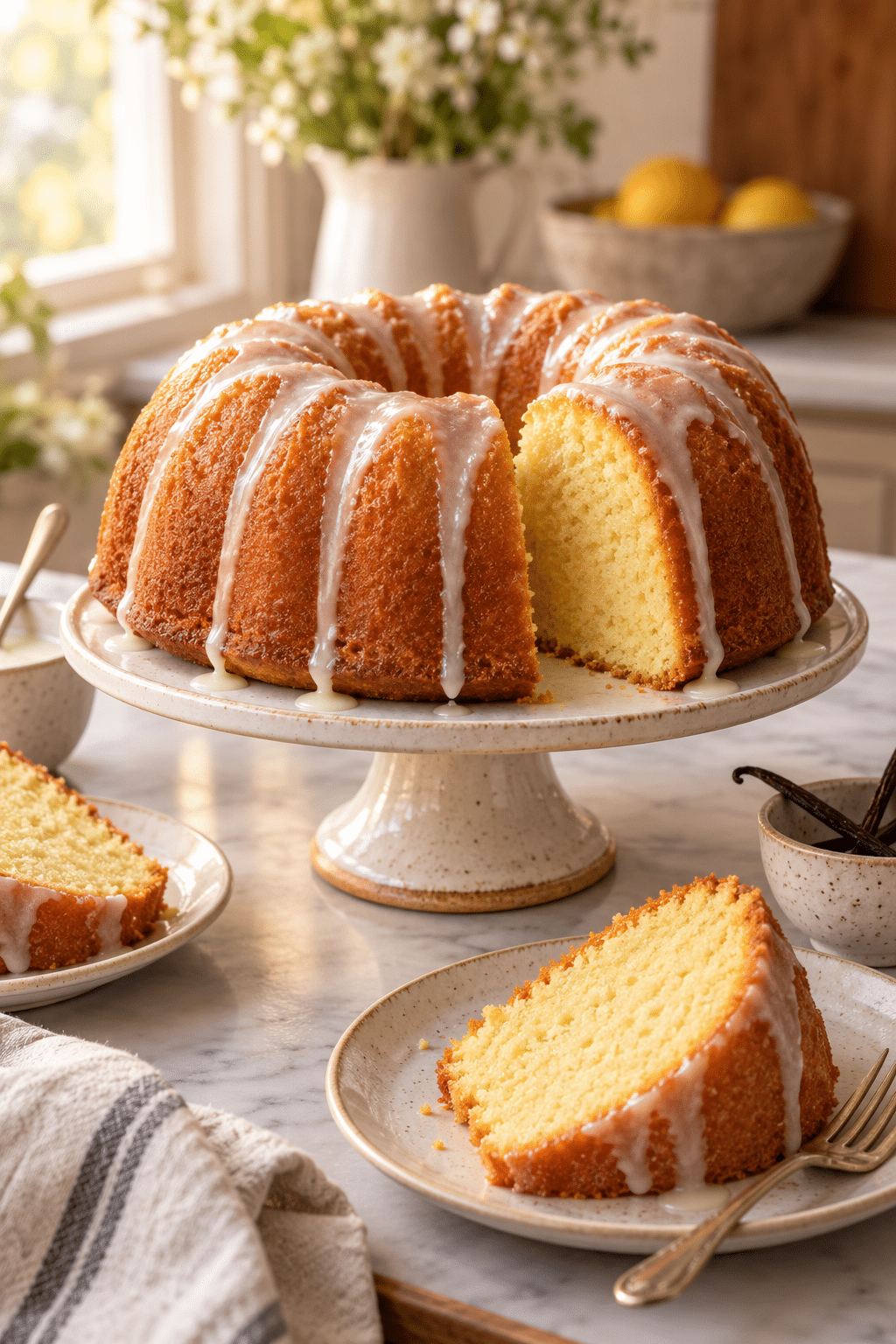
For dessert, a slice of baked Pineapple Cake topped with whipped cream or vanilla ice cream is pure heaven. I’m also a sucker for tropical fruit salads—dynamic mixes of pineapple, mango, papaya, and a sprinkle of fresh mint—served as a light, refreshing finish to any meal. If I want something cozy, I toss pineapple chunks into my oatmeal—yes, even in winter! The sweetness and warmth blend beautifully. Honestly, no matter how you serve it, piña just has a way of making every meal feel like a mini vacation. The smell alone draws everyone in, and the taste keeps them coming back for more.
Top Tips for Perfecting Your Piña Creations
Having made countless pineapple recipes over the years, I’ve picked up a few tricks I swear by. First, always choose a ripe pineapple; it’s worth the extra dollar for that sweet aroma and slight softness—if it’s underripe, it’ll never reach full flavor. When peeling, I find that a good, sharp serrated knife makes quick work of the skin, and I avoid stubborn eyes by slicing diagonally. If you’re planning to bake with pineapple, I recommend draining the juice thoroughly—too much moisture can make your cake dense or soggy. I’ve tested using fresh pineapple both with and without the skin, and honestly, peeling it well makes a noticeable difference in texture.
For marbling or swirling, a tip I learned after a few failed attempts is to use a skewer or toothpick to create patterns—this way, every slice gets a bit of that marbled beauty. When it comes to ingredient swaps, I sometimes replace sugar with coconut sugar for a healthier twist or add a dash of chili powder for a subtle heat that works surprisingly well. Baking is all about timing—every oven bakes a little differently, so keep an eye out and start checking 5 minutes earlier if your oven runs hot. And for glaze variations, I like mixing in a splash of rum or vanilla extract—you’ll be surprised how much these little extras elevate the flavor. Honestly, every mistake in the kitchen has led me to this, and I promise, once you’ve mastered a few tips, your pineapple dishes will turn out perfect every time.
Storing and Reheating Tips
Once you’ve baked or sliced your pineapple masterpiece, proper storage is key to keeping that tropical magic alive. If you plan to eat it within a day or two, just cover it tightly with plastic wrap or keep it in an airtight container and store at room temperature—just remember that pineapple is best enjoyed fresh, so don’t leave it out for too long.
If you want to keep it longer, the refrigerator is your friend—wrap slices well or store in an airtight container. I find that pineapple keeps fresh for up to 3 days this way, but the firmer texture can start to soften after a day. For leftovers from baked pineapple desserts, I recommend storing in a sealed container in the fridge for up to 4-5 days. If freezing, wrap tightly in plastic wrap and then foil, or use a vacuum-sealed bag. Thaw in the fridge overnight for best results, and if you’re reheating baked pineapple, low and slow in the oven or microwave works best—just don’t overdo it or the fruit will turn mushy. If you’re adding glaze after reheating, do it right before serving to prevent sogginess. The goal is to preserve that fresh, juicy bite and the vibrant flavor as much as possible.
Frequently Asked Questions
Final Thoughts
There’s just something about piña that makes every bite feel like a little escape, whether it’s in a tangy slice, a sweet cake, or a refreshing smoothie. I’ve made dozens of pineapple recipes over the years, and each one reminds me why I fell in love with this fruit in the first place—its versatility, its vibrant flavor, and that unmistakable tropical charm. Once you learn a few simple tricks, like how to select the ripest fruit and how to bring out its best in baking or salads, you’ll find yourself turning to piña more often than you might expect. This recipe, in particular, has become a family favorite—not just because it’s easy and delicious, but because it’s a slice of sunshine on a plate. So grab a pineapple, get in the kitchen, and start experimenting. I can’t wait to hear how yours turns out—trust me, your taste buds are in for a treat! Happy baking!

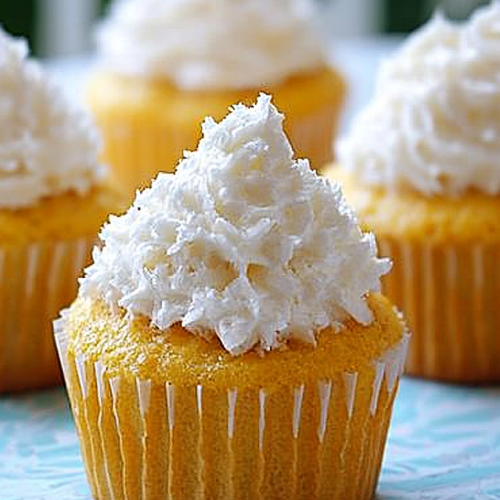
Piña
Ingredients
Main Ingredients
- 2 cups fresh pineapple chunks
- 1 cup coconut milk
- 2 tbsp honey
- 1 cup ice cubes
Instructions
Preparation Steps
- Place the pineapple chunks, coconut milk, honey, and ice cubes into a blender.
- Blend until smooth and creamy.
- Pour into glasses and serve immediately garnished with a slice of pineapple or a maraschino cherry.