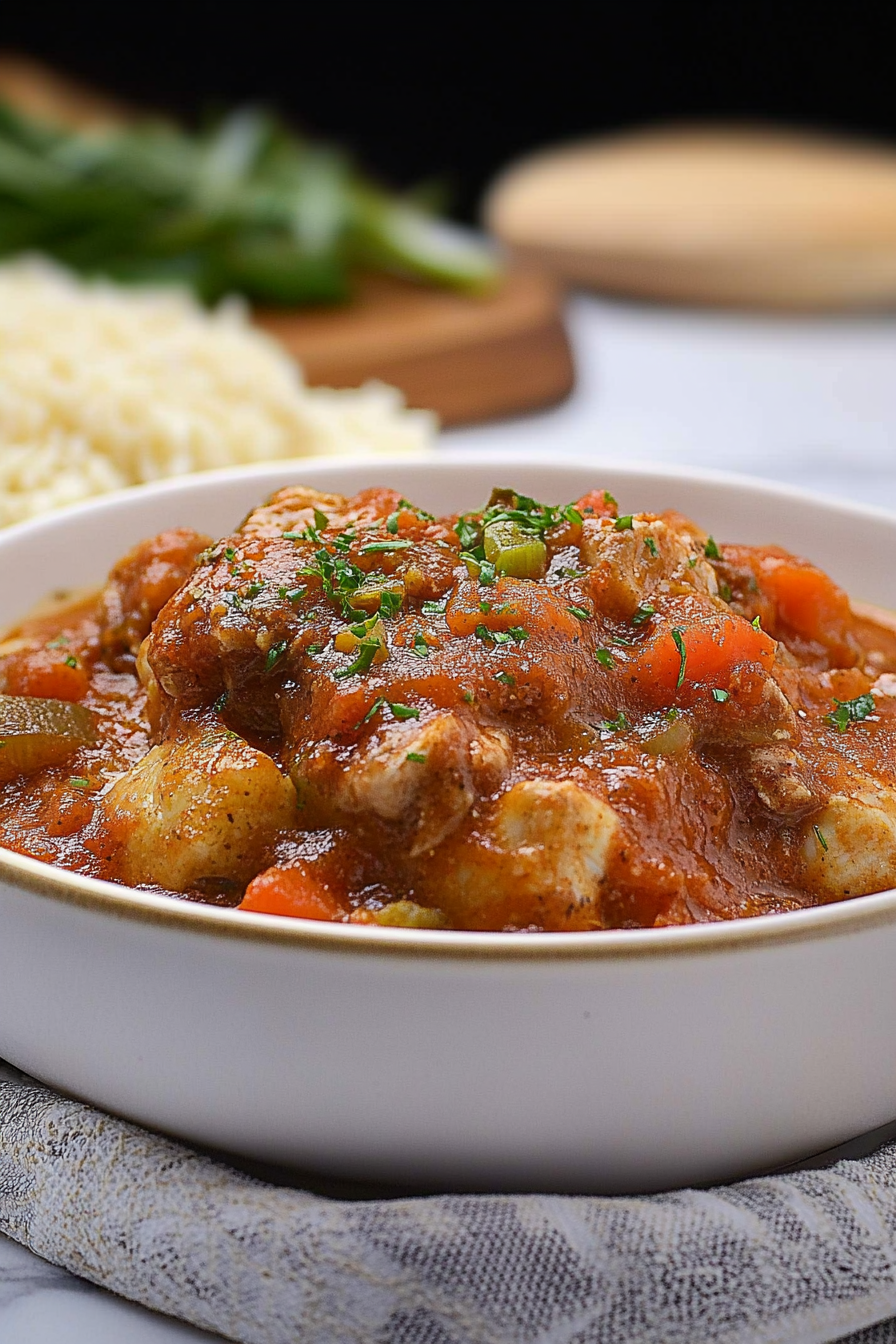


There are some foods that just *feel* like home, aren’t there? For me, it’s hands down, homemade CHICKEN SOUP. Not the stuff from a can that tastes vaguely of salt and disappointment, but the real deal. The kind that fills your kitchen with an aroma so comforting it could cure any bad mood. I remember being a kid and coming down with the sniffles, and my mom would always make a big pot of this. The steam rising from the bowl, the tender chicken, the perfectly cooked veggies – it was pure magic. It’s the kind of meal that reminds you everything’s going to be okay, even when you’re feeling under the weather. Honestly, compared to that watery, often bland store-bought stuff, this homemade chicken soup is like comparing a cozy blanket to a thin, scratchy sheet. It’s that good, and trust me, it’s not as intimidating as you might think.
Thank you for reading this post, don't forget to subscribe!What is a chicken soup?
So, what exactly *is* this magical pot of comfort? At its heart, Homemade Chicken soup is a soul-warming broth, usually chicken-based, simmered with tender pieces of chicken and an assortment of vegetables. Think of it as liquid gold infused with all the good stuff: savory chicken, sweet carrots, earthy celery, maybe some onions and garlic for depth. It’s the ultimate simple pleasure. We’re talking about a dish that’s been a staple in kitchens for generations, a true classic for a reason. It’s not about fancy techniques or exotic ingredients; it’s about taking humble, wholesome components and transforming them into something truly spectacular. It’s essentially a kitchen hug, designed to nourish your body and lift your spirits. It’s the antidote to a cold day, a tough week, or just a general feeling of ‘meh’.
Why you’ll love this recipe?
Oh, where do I even begin with why you’ll absolutely adore this homemade Chicken Soup Recipe? First and foremost, the FLAVOR. It’s incredibly rich and savory, with a depth that you just can’t get from a bouillon cube. The chicken itself becomes so tender it practically melts in your mouth, and the vegetables add a lovely sweetness and texture. It’s the kind of soup that makes you close your eyes with the first spoonful. Then there’s the SIMPLICITY. I know ‘homemade soup’ can sound like a lot of work, but I promise you, this one is surprisingly straightforward. You toss everything in, let it simmer, and the magic happens on its own. It’s perfect for those busy weeknights when you want something truly nourishing but don’t have hours to spend in the kitchen. And let’s talk COST-EFFICIENCY! This recipe uses everyday ingredients that you likely already have in your pantry or can pick up without breaking the bank. A whole chicken or a few chicken thighs go a long way, making this an incredibly budget-friendly meal that doesn’t skimp on taste. Plus, it’s so VERSATILE! You can easily adapt it to your liking. Don’t have carrots? Add parsnips! Not a fan of celery? Leave it out! You can make it heartier with noodles or rice, or keep it light and brothy. What I love most about this recipe is how it feels like a complete meal in a bowl. It’s incredibly satisfying and genuinely makes you feel good from the inside out. It’s the ultimate comfort food, far superior to anything you’d find in a restaurant, and miles better than any boxed version. It’s the kind of recipe that becomes a family treasure.
How do I make homemade chicken soup?
Quick Overview
This homemade Chicken Soup is all about building layers of flavor with simple, fresh ingredients. We’ll start by simmering chicken to create a rich broth, then add in aromatic vegetables and hearty additions for a truly satisfying meal. It’s a forgiving recipe, meaning even if you’re new to cooking, you’ll end up with a delicious, comforting bowl. The key is patience – letting the ingredients do their work to create that deep, savory flavor. You’ll end up with a nourishing soup that’s perfect for any occasion, especially when you need a little extra comfort.
Ingredients
For the Broth and Chicken: For the Broth and Chicken: For the Broth and Chicken: For the Broth and Chicken: For the Bro
– 1 whole chicken (about 3-4 pounds), or 3-4 pounds of bone-in chicken thighs or a mix of both. Using bone-in pieces is key for flavor! I love using a mix because the dark meat from the thighs adds extra richness. If you can find organic, that’s always a bonus for the cleanest flavor. You can ask your butcher to cut it up for you if you prefer, or just toss it in whole. Make sure to remove any giblets from the cavity if you’re using a whole chicken. Some people even save the neck and giblets to add to the pot for extra depth, which is a great trick!
For the Aromatics and Vegetables:
– 2 tablespoons olive oil or butter. Butter adds a lovely richness, but olive oil works just fine. I often do a mix of both for the best of both worlds.
– 2 large yellow onions, roughly chopped. No need for fine chopping here, they’ll break down as they cook.
– 3-4 large carrots, peeled and cut into 1-inch chunks. I like to leave some skin on for extra nutrients, just make sure they’re well-scrubbed. If you can get rainbow carrots, they add a beautiful pop of color!
– 3-4 celery stalks, trimmed and cut into 1-inch chunks. Don’t discard those leafy tops! They can add a subtle flavor to the broth if you like.
– 4-6 cloves garlic, smashed. You don’t need to mince them; smashing them releases their flavor beautifully into the broth.
– 1 teaspoon dried thyme. Fresh thyme is wonderful too, just use a few sprigs.
– 1 teaspoon dried rosemary. Again, fresh sprigs work beautifully.
– 1 bay leaf. This is a little secret ingredient that really elevates the broth.
– 10-12 cups chicken broth or water, or a combination of both. Using some broth adds an extra layer of flavor from the get-go. If you’re using water, you’ll rely more on the chicken and vegetables to build that deep broth flavor.
For Adding at the End (Optional but Recommended):
– 1 cup egg noodles, ditalini pasta, or white rice. I love egg noodles because they’re classic, but any small pasta or even rice works. You can cook these separately if you’re worried about them getting mushy in the soup, or add them directly to the pot for a heartier meal.
– Fresh parsley, chopped, for garnish. This is non-negotiable for me! It adds a burst of freshness and brightens everything up.
– Salt and freshly ground black pepper, to taste. This is crucial! Taste and season generously at the end. Don’t be shy with the salt; it really brings out all the flavors.
“New family favorite! This Homemade Chicken Soup Simple Comfort Food was so flavorful and ridiculously easy. Crowd-pleaser for sure.”
Step-by-Step Instructions
Step 1: Sear and Simmer the Chicken
In a large stockpot or Dutch oven, heat the olive oil and/or butter over medium-high heat. Add your chicken pieces and sear them for about 3-4 minutes per side until they’re nicely browned. This step is totally optional but it adds a fantastic depth of flavor to your broth. It creates little bits of deliciousness on the bottom of the pot that we’ll scrape up later. Once browned, remove the chicken from the pot and set it aside on a plate. Don’t worry if it’s not cooked through; it will finish cooking in the broth.
Step 2: Sauté the Aromatics
Add the chopped onions, carrots, and celery to the same pot. You might need to add another drizzle of oil or butter if the pot looks dry. Cook, stirring occasionally, for about 5-7 minutes, until the vegetables start to soften and the onions become translucent. This process, called sautéing, caramelizes the natural sugars in the vegetables, giving your soup a richer, deeper flavor. Toss in the smashed garlic cloves and cook for another minute until fragrant, being careful not to burn the garlic.
Step 3: Deglaze and Add Liquids
Pour in about a cup of your chicken broth or water and use a wooden spoon to scrape up any browned bits stuck to the bottom of the pot. This is where a lot of the flavor is hiding! Once those bits are loosened, add the rest of the chicken broth and/or water to the pot. Return the browned chicken pieces to the pot. Add the dried thyme, rosemary, and the bay leaf. Bring the mixture to a boil, then immediately reduce the heat to low, cover the pot, and let it simmer gently. This gentle simmering is key to developing a clear, flavorful broth. Avoid boiling it vigorously, as this can make the broth cloudy.
Step 4: Simmer and Develop Flavor
Let the soup simmer for at least 45 minutes to 1 hour, or until the chicken is cooked through and tender. The longer it simmers, the more flavor will develop. During this time, you can skim off any foam or impurities that rise to the surface with a spoon. This helps keep your broth clear and clean-tasting. I like to let mine go for about an hour and a half if I have the time – it makes a noticeable difference.
Step 5: Shred the Chicken
Once the chicken is cooked, carefully remove the chicken pieces from the pot and place them on a cutting board or plate. Let them cool slightly so you can handle them. Once they’re cool enough to touch, shred or dice the chicken into bite-sized pieces. I usually use two forks for shredding, but dicing it into smaller chunks is also great. Discard any skin or bones.
Step 6: Add Noodles or Rice (Optional)
If you’re adding noodles or rice, bring the soup back to a simmer. Add your chosen pasta or rice and cook according to package directions until tender. If you’re using pasta, be mindful that it will continue to absorb liquid as it sits, so you might want to cook it slightly less than al dente if you’re not serving immediately. I often cook my noodles separately if I know the soup will be sitting for a while, then add them right before serving.
Step 7: Season and Finish
Return the shredded chicken to the pot. Now for the most important part: seasoning! Taste the soup and add salt and freshly ground black pepper generously until it tastes perfect to you. Remember, you can always add more, but you can’t take it away. Stir in the chopped fresh parsley just before serving. This adds a wonderful freshness and vibrant green color.
Step 8: Serve Hot
Ladle the piping hot homemade chicken soup into bowls. Enjoy the incredible aroma and the delicious taste of pure comfort. This is best served immediately while it’s steaming hot.
“I don’t know if I’ve ever eaten a better Homemade Chicken Soup Simple Comfort Food. The rub alone is wonderful, but the sauce??? Over the top!”
What to Serve It With
This glorious pot of homemade chicken soup is pretty much a complete meal on its own, but it plays wonderfully with a few friends! For breakfast, I know it sounds a bit unusual, but a small, warm bowl can be incredibly comforting on a chilly morning, especially if you’ve had a rough night. Pair it with some crusty toast for dipping. For a more substantial brunch, especially if you’ve made a larger batch, serve it alongside some fluffy scrambled eggs or a simple green salad with a light vinaigrette. It’s a beautiful contrast to richer brunch items. As a dessert, well, it’s not exactly dessert! But if you’re craving something light and savory after a richer meal, a small cup of this soup can be a perfect palate cleanser. For those cozy snack times, especially on a rainy afternoon, it’s heaven. I love pairing it with some warm, buttered sourdough bread for dunking, or even some simple crackers. Sometimes, my kids just want a big bowl of this soup with some cheese crackers on the side, and honestly, who am I to argue? My family loves it with a side of grilled cheese sandwiches – it’s a classic for a reason! Another favorite at our house is serving it with a side of garlic breadsticks for extra dipping power. It really is that versatile and satisfying.
Top Tips for Perfecting Your Homemade Chicken Soup
Alright, let’s dive into some of the little secrets I’ve picked up over the years to make this homemade chicken soup absolutely sing. First, regarding the vegetables: don’t fuss too much about perfect cuts. The bigger chunks will yield more flavor in the broth, and they’ll soften beautifully. I learned this the hard way when I used to spend ages dicing everything tiny – it just didn’t give the broth the same depth. Always, always taste and season generously at the end. This is probably the most crucial tip. Many times, I’ve had people try my soup and say it’s missing something, and invariably, it’s just a bit more salt and pepper to wake up all those amazing flavors. Overmixing, especially if you add noodles or rice, can turn your soup into a gummy mess. I’ve definitely had that happen! If you’re adding pasta or rice directly to the pot, undercook it slightly, as it will continue to cook in the hot broth. My personal trick is to cook my noodles separately and add them to individual bowls right before serving – this guarantees perfectly cooked pasta every time and prevents the soup from getting too starchy or thick if it sits in the fridge. If you’re looking for ingredient swaps, feel free to experiment! I’ve made this with parsnips instead of carrots for a slightly different sweetness, and it was delicious. Sometimes, I’ll add a handful of frozen peas or corn in the last 5 minutes of cooking for an extra bit of color and sweetness. For baking tips, well, this isn’t a baked recipe, but the principle of gentle heat for developing flavor applies to simmering. Don’t rush it! Let that broth do its magic. If your soup seems a little too thin, you can always thicken it slightly by mashing some of the cooked carrots against the side of the pot or by stirring in a cornstarch slurry (1 tablespoon cornstarch mixed with 2 tablespoons cold water) in the last few minutes of simmering. And for a different flavor profile, try adding a splash of lemon juice or a dash of hot sauce right before serving – it really brightens everything up.
Storing and Reheating Tips
This homemade chicken soup is a fantastic make-ahead meal, and it actually tastes even better the next day! If you’re planning to eat it over a few days, storing it properly is key. At room temperature, it’s best to let it cool down for about an hour before covering and refrigerating. You don’t want to trap too much heat, which can encourage bacteria growth. It should be good in the refrigerator for about 3-4 days. Make sure to store it in an airtight container. Glass containers are my favorite because they don’t absorb odors. When it comes to freezing, this soup freezes beautifully! Let it cool completely, then transfer it into freezer-safe containers or heavy-duty freezer bags. I like to portion it out into individual servings so I can just thaw what I need. It can stay in the freezer for up to 3 months. When you’re ready to reheat, the best method depends on how much you’re thawing. For smaller portions from the fridge, you can gently reheat it on the stovetop over medium-low heat, stirring occasionally, until heated through. For larger batches or frozen soup, the stovetop is still ideal. If frozen, let it thaw overnight in the refrigerator first, then reheat as you would the refrigerated soup. You can also reheat individual portions in the microwave, usually for 1-2 minutes, stirring halfway through. For the glaze (if you chose to add one), it’s usually best to add it fresh just before serving, especially if you’ve stored it for a while, to maintain its freshness and texture.
Frequently Asked Questions
Final Thoughts
So there you have it – my go-to, incredibly comforting, absolutely delicious homemade chicken soup. It’s more than just a recipe; it’s a bowl of pure, unadulterated comfort. The way the aroma fills your home as it simmers, the tender chicken, the perfectly softened vegetables – it’s just pure bliss. It’s the ultimate reminder that the best things in life are often the simplest, made with a little love and good ingredients. If you’re someone who loves a hearty, flavorful meal that also happens to be incredibly good for you, then you absolutely must give this a try. It’s a lifesaver on busy nights and a guaranteed crowd-pleaser, even for the pickiest eaters. If you’re looking for other comforting recipes, you might also enjoy my creamy tomato soup or my hearty beef stew – they’re in a similar vein of delicious, soul-warming goodness. I truly hope you make this homemade chicken soup soon and that it brings as much warmth and joy to your kitchen as it does to mine. I can’t wait to hear how yours turns out in the comments below! Don’t forget to share your favorite variations or any special memories this soup conjures up for you. Happy cooking!

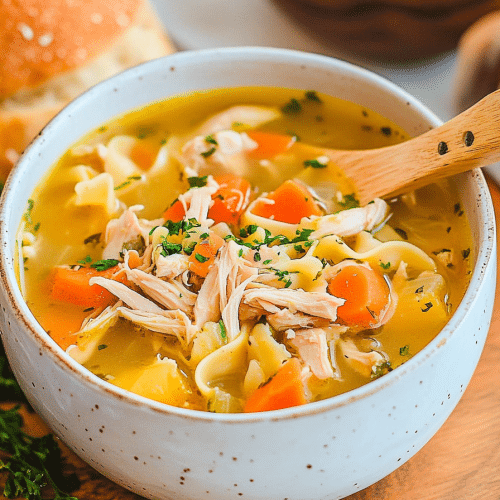
homemade chicken soup
Ingredients
Main Ingredients
- 2 tablespoons olive oil
- 1 cup carrots peeled and sliced thin
- 1 cup celery sliced thin
- 1 cup sweet Vidalia or yellow onion peeled and diced small
- 2 cloves garlic minced
- 8 cups low-sodium chicken broth plus more if desired
- 2 leaves bay leaves
- 1 teaspoon fresh thyme or 0.5 teaspoon dried thyme
- 0.5 teaspoon dried oregano
- 1 teaspoon black pepper or to taste
- 12 ounces wide egg noodles or your favorite noodles or pasta
- 2 cups shredded cooked chicken
- 3.5 tablespoons fresh flat-leaf parsley finely chopped
- 1 tablespoon lemon juice optional
- to taste salt
- to taste black pepper
Instructions
Preparation Steps
- To a large Dutch oven or stockpot, add the olive oil and heat over medium-high heat to warm.
- Add the carrots, celery, and onion, and sauté for about 7 minutes, or until vegetables begin to soften. Stir intermittently. Add the minced garlic and sauté for another 1 to 2 minutes.
- Add the chicken broth, bay leaves, thyme, oregano, and black pepper, and bring to a boil. Allow mixture to boil gently for about 5 minutes or until vegetables are fork-tender. Note: If you like brothier soup, add additional broth, possibly as much as an additional 8 cups, because as time passes the noodles will continue to absorb broth.
- Add the wide egg noodles and boil mixture for about 10 minutes, or until noodles are soft and cooked through. Tip: At any time while making the soup, if the overall liquid level is lower than you like and you prefer more broth, adding a cup or two of water is okay. At the end, you will adjust the salt level.
- Add the shredded cooked chicken, parsley, and optional lemon juice (which brightens up the flavor), and boil for 1 to 2 minutes, or until chicken is warmed through. Tips: Taste soup and add salt to taste. This will vary based on how salty the brand of chicken broth used is, how salty the rotisserie chicken is, and personal preference. Make any necessary seasoning adjustments (i.e., more salt, pepper, herbs, etc.), remove the bay leaves, and serve immediately.