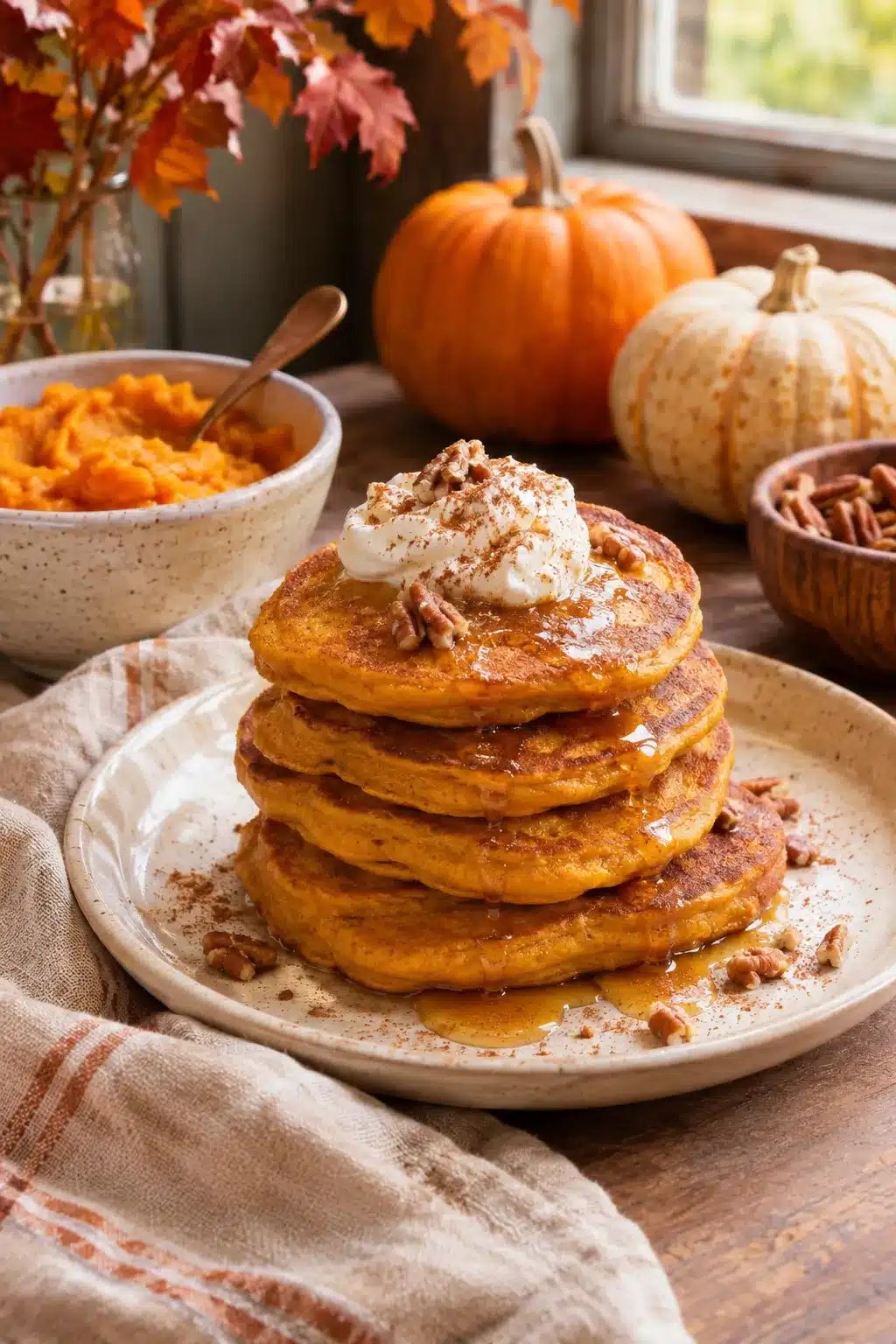

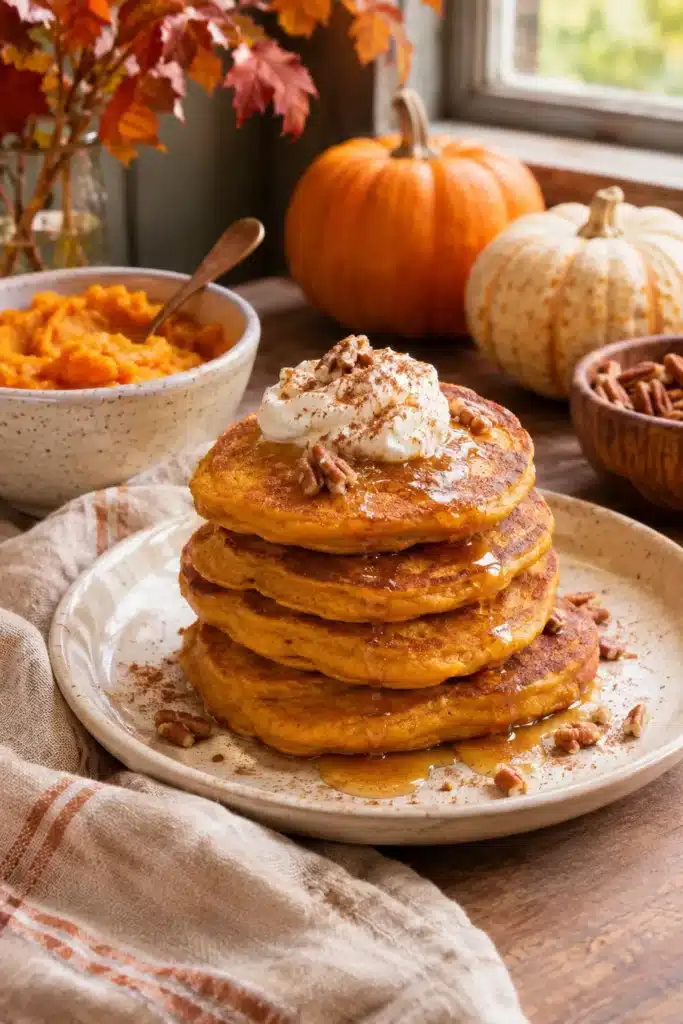
Baby pumpkin pancakes make a soft, gently spiced-feeling breakfast from a short list of familiar ingredients. This egg-free, dairy-free recipe uses pumpkin puree for color and moisture, while plant-based milk keeps the batter tender. The small pancakes cook quickly, cool easily, and can be served as soft pieces for a baby-led-weaning breakfast or as a simple family snack. They are mild enough for a first taste of pumpkin and easy to scale for a shared breakfast.
What makes baby pumpkin pancakes useful
Pumpkin puree brings moisture without requiring eggs, and the baking powder gives the batter enough lift to stay tender. Because the rounds are small, the center cooks before the outside becomes too dark. Use plain pumpkin puree rather than sweetened pie filling so the recipe stays mild and adaptable.
Why this batter works
The wet ingredients are combined first so the puree disperses evenly through the milk. Flour and baking powder are folded in only until combined; overmixing can make pancakes dense. A medium skillet gives the batter time to set while preserving a soft texture.
How to make baby pumpkin pancakes
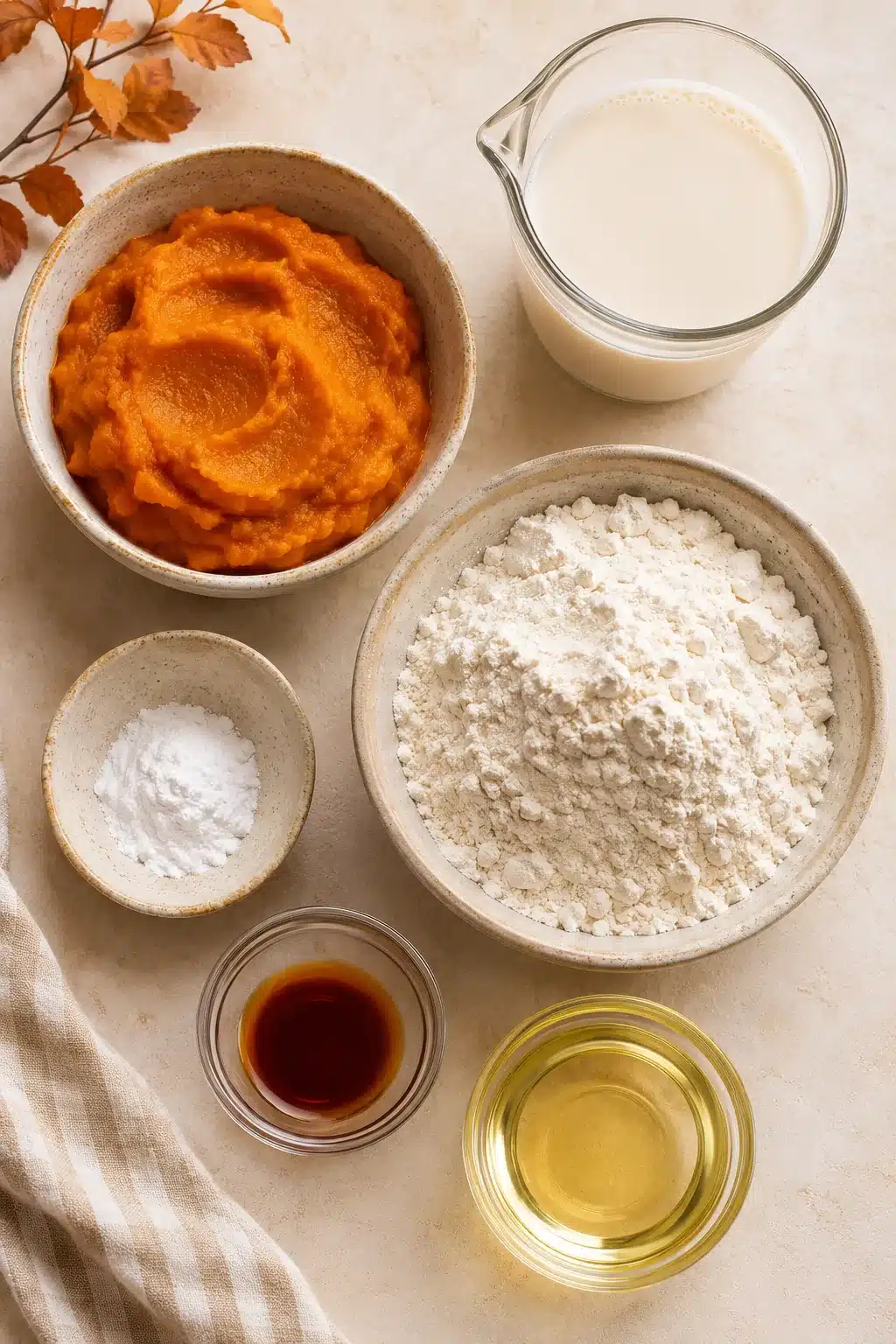
Ingredients
- 1/4 cup plain pumpkin puree
- 1/2 cup plant-based milk or breastmilk
- 1 teaspoon oil, plus more for the pan
- 1 teaspoon vanilla extract
- 1/2 cup all-purpose flour
- 1 teaspoon baking powder
Method
- Whisk the pumpkin puree, plant-based milk, oil, and vanilla in a mixing bowl.
- Add the flour and baking powder, then stir just until a thick, smooth batter forms.
- Warm a lightly oiled skillet over medium heat. Spoon small rounds of batter into the pan.
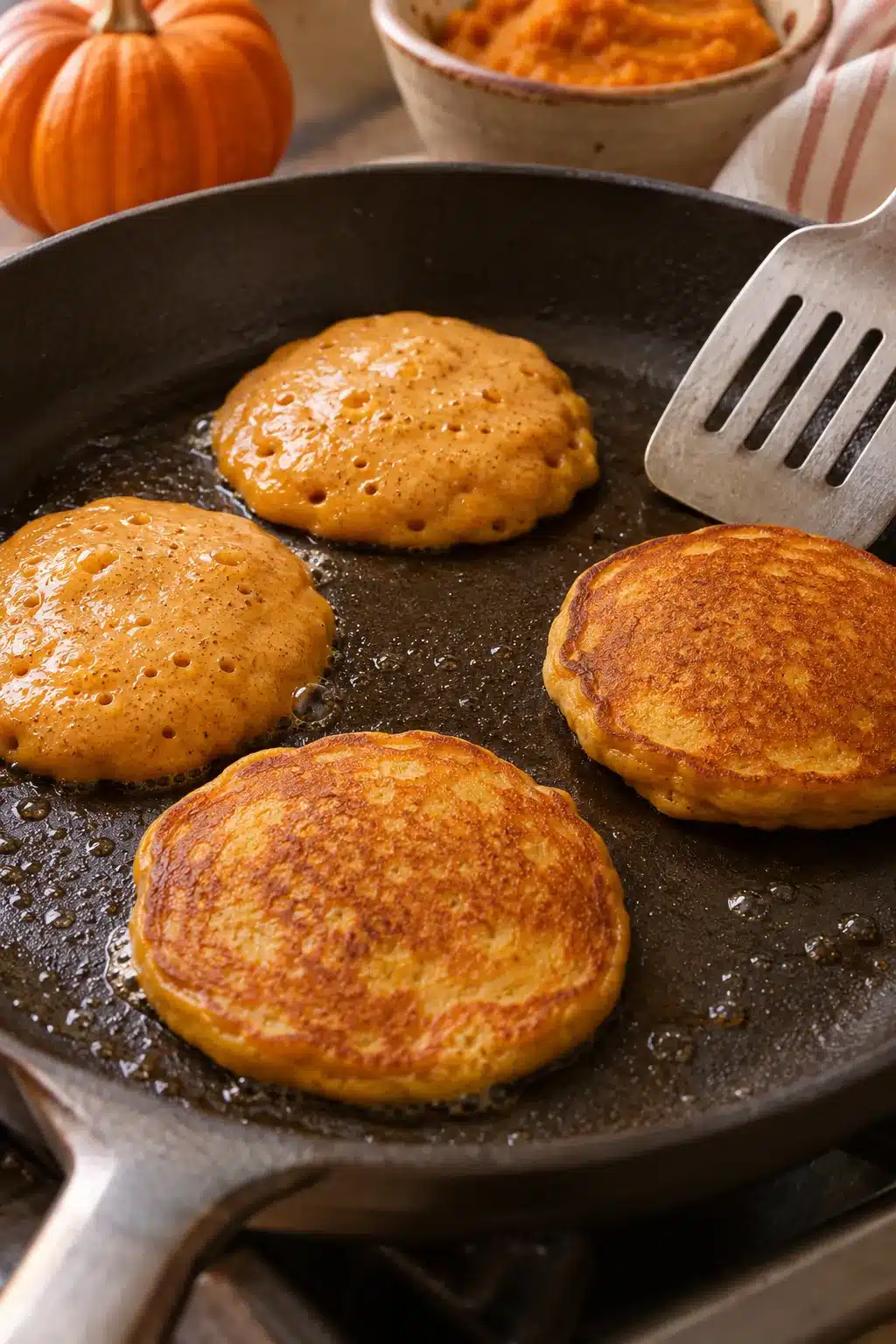
- Cook until the edges look set and bubbles appear, about 1 to 2 minutes, then flip and cook the second side until set.
- Cool the pancakes to a safe temperature before serving.
Serving ideas
Serve the pancakes plain, cut into strips or small pieces that suit the child’s eating stage. For older children and adults, add unsweetened yogurt, extra pumpkin puree, or soft fruit on the side. They are also useful as a quick breakfast when paired with sliced banana and water or milk.
For a family breakfast, place the pancakes in the center of the table with separate toppings so each person can choose. A little warm puree adds moisture without making the pancakes difficult to hold. If you are serving a baby, follow the texture and portion guidance appropriate for that child and supervise eating.
Tips and an optional variation
Keep the skillet at medium heat and make one test pancake first. If the outside colors too quickly, lower the heat; if the batter spreads thinly, let it rest for a minute before cooking the next batch. The key doneness cue is a set center rather than a deeply browned surface.
Optional variation: For a grown-up serving, add a pinch of cinnamon to the batter. Keep the primary baby recipe free of extra sweeteners and seasonings unless they suit your serving plan.
Common cooking problems
If the batter sticks, give the skillet a thin, even coating of oil and wait until it is properly warm before adding batter. If the rounds are difficult to flip, make them smaller and wait for the edges to look dry. If they brown before the centers set, reduce the heat and cook the next batch more slowly. Pumpkin puree varies in thickness, so a very stiff batter can be loosened with a teaspoon of milk.
Do not judge these pancakes by the deep brown color of a traditional breakfast pancake. Their pumpkin puree keeps the crumb moist and gives the surface a naturally warm hue. A gentle press with the spatula should feel springy, and the cut center should look cooked without looking dry. These cues are more reliable than a strict minute count because pan size and heat vary.
For make-ahead planning, mix the dry ingredients separately from the wet ingredients and combine them shortly before cooking. This keeps the baking powder active and prevents the flour from absorbing too much liquid. If you have leftover cooked pancakes, cool them on a plate rather than stacking them immediately, then store them covered once the steam has dissipated.
Storage and reheating
Cool leftovers completely, refrigerate them in a covered container, and use them promptly. Rewarm gently in a skillet or microwave until heated through, then cool again before serving. If the pancakes become dry, pair them with pumpkin puree or yogurt rather than cooking them longer.
Texture and doneness
The ideal pancake is soft enough to break apart easily but firm enough to lift from the skillet. Look for set edges, a few bubbles on top, and a center that no longer looks wet. Letting the batter sit briefly after mixing can help the flour hydrate, but do not leave it for so long that the baking powder loses its lift.
Consistency matters more than perfect shape. Pumpkin puree can be thick or loose depending on the brand, and different flours absorb liquid at different rates. The finished batter should fall from a spoon slowly rather than pour like crepe batter. Add a small splash of milk only when needed, mixing gently after each addition.
Cook in batches without crowding the skillet. Space between the rounds makes flipping easier and keeps steam from softening the edges too much. Wipe out any darkened oil between batches if necessary, then add a fresh thin coating. A clean pan gives the mild pumpkin flavor a clearer finish.
Search answers
Can you make pumpkin pancakes without eggs?
Yes. Pumpkin puree and plant milk provide moisture, while baking powder helps the pancakes rise.
Are these dairy-free pancakes?
Yes, when made with plant-based milk and oil. Check packaged ingredients if serving someone with an allergy.
How do you keep baby pancakes soft?
Use medium heat, make small rounds, and remove them as soon as the centers are set.
FAQ
These pancakes are designed to be simple, but a few small details make the result more dependable. Use plain puree with no added sugar, measure the flour without packing it down, and keep the cooking heat moderate. The batter should be thick enough to hold a small round in the pan while still spreading slightly when spooned. If it seems unusually loose, add a little flour; if it seems stiff, add milk a teaspoon at a time.
For the best texture, let cooked pancakes cool in a single layer for a few minutes. This prevents trapped steam from making the surfaces gummy. Once cool, they can be packed for a later meal. Reheat only what you plan to serve, and always check the center temperature before offering them to a child.
Pumpkin pancakes can fit breakfast, snack time, or a casual weekend brunch. Their neutral base works with fruit, yogurt, or extra puree, and the recipe does not depend on eggs or dairy. That makes it useful when the pantry is limited or when you are preparing a shared meal with different dietary needs.
FAQs about baby pumpkin pancakes
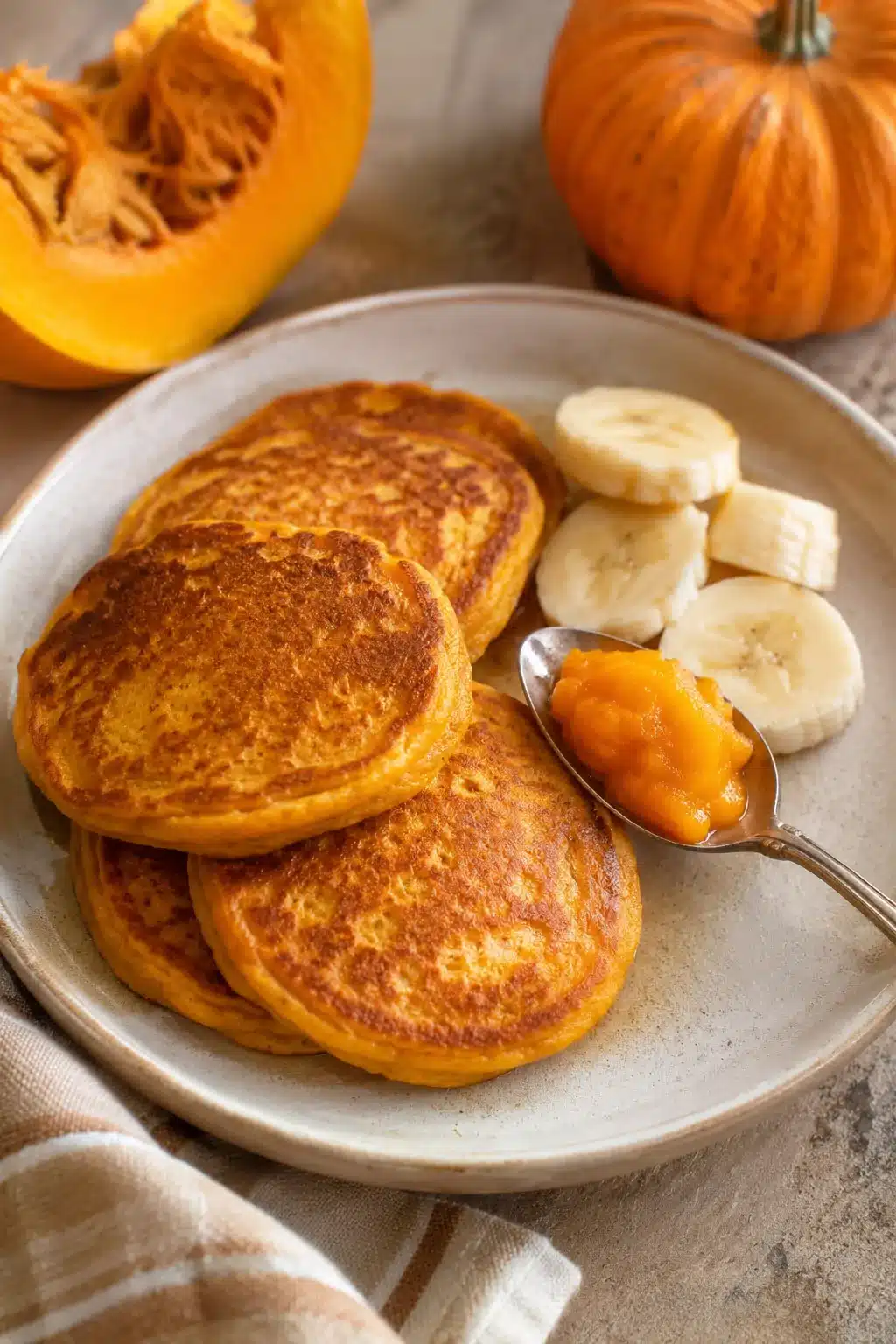
These baby pumpkin pancakes are a practical way to use pumpkin in a soft, quick breakfast. Keep the rounds small, watch the skillet heat, and let them cool fully before serving.

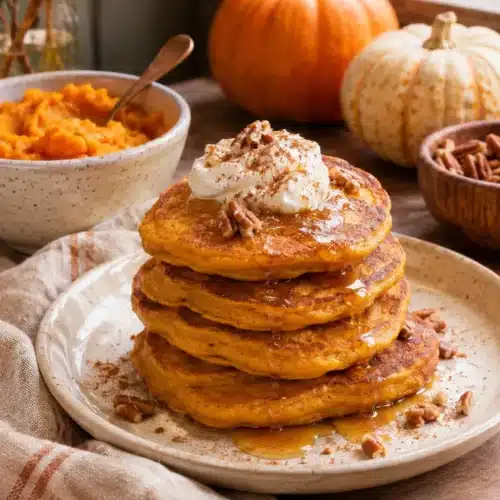
Baby Pumpkin Pancakes
Ingredients
Ingredients
- 1/4 cup pumpkin puree plain puree
- 1/2 cup plant-based milk or breastmilk
- 1 teaspoon oil or canola oil
- 1 teaspoon vanilla extract
- 1/2 cup all-purpose flour
- 1 teaspoon baking powder
Instructions
Instructions
- Whisk the pumpkin puree, plant-based milk, oil, and vanilla in a mixing bowl.
- Add the flour and baking powder, then stir just until a thick, smooth batter forms.
- Warm a lightly oiled skillet over medium heat. Spoon small rounds of batter into the pan.
- Cook until the edges look set and bubbles appear, about 1 to 2 minutes, then flip and cook the second side until set.
- Cool the pancakes to a safe temperature before serving.