
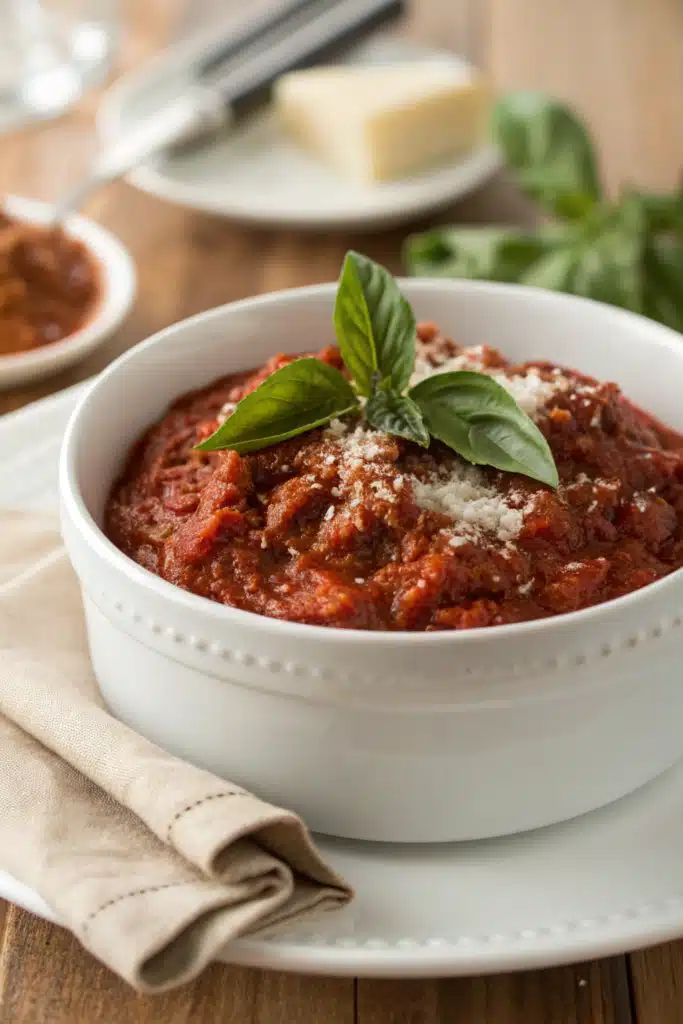
Homemade Bolognese Sauce That Will Transport You to Italy
There’s something deeply comforting about a rich, slow-cooked Bolognese sauce simmering on the stove. The aroma alone—layers of tomatoes, tender meat, and a hint of wine—can make your whole kitchen feel like a cozy Italian trattoria. I remember my nonna always said, “The secret isn’t in the recipe, it’s in the patience.” And she was right. This isn’t just another pasta sauce; it’s a labor of love that transforms humble ingredients into something truly magical. When I first perfected this version, my husband actually stopped me mid-bite and asked if I’d hired a professional chef. That’s how good it is. It’s not about perfection—it’s about passion, and every spoonful tells that story.
Thank you for reading this post, don't forget to subscribe!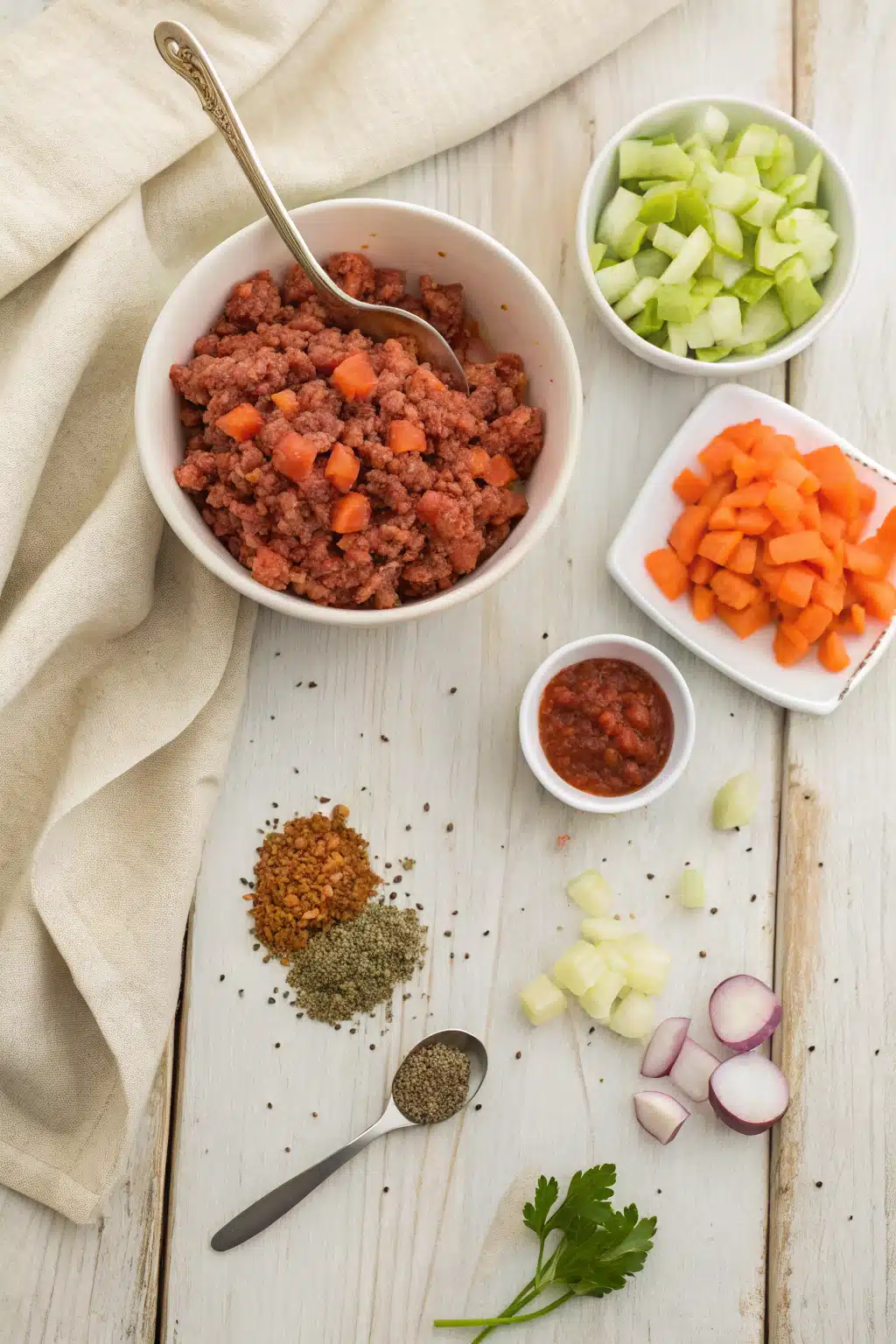
What Is Bolognese Sauce?
Bolognese sauce (ragù alla bolognese) originates from Bologna, Italy, and is traditionally served with tagliatelle—a wide, flat pasta that perfectly cradles the thick, meaty sauce. Unlike its flashy cousin, carbonara, which is creamy and quick, Bolognese is all about depth. It’s a slow-simmered ragù made with Ground Beef or a mix of meats, onions, carrots, celery, tomato paste, milk, white wine, and sometimes even pancetta or pancake bacon for extra umami. The key is cooking it low and slow until everything melds into one velvety, deeply flavorful whole. Authentic versions can simmer for hours, but even a 2–3 hour cook gets you incredibly close. What makes it special isn’t just the taste—it’s the ritual. The gentle sizzle, the rich scent rising through the house… it’s a moment worth savoring.
Why You’ll Love This Recipe
This Bolognese isn’t just about following steps—it’s about creating memories. There’s something undeniably satisfying about making a sauce from scratch, especially when it becomes part of family tradition. My kids used to groan at “Meat Sauce” until they tasted this version. Now, they ask for seconds before they even finish their pasta! The balance of sweet vegetables and savory meat creates a complexity that store-bought sauces simply can’t match. Plus, once it’s in the freezer, you’ve got homemade comfort food ready in minutes whenever you need it. It’s perfect for busy weeknights when you want restaurant-quality results without the hassle. And let’s be honest—there’s nothing quite like opening a jar of your own rich, slow-cooked sauce and knowing exactly what’s inside. No preservatives, no mystery ingredients. Just pure, delicious love in a pot.
How to Make Bolognese Sauce
Quick Overview
This recipe yields enough for 8–10 servings and takes about 3 hours total, though most of that is hands-off simmering time. Start by browning the meat, then sautéing the aromatic vegetables. Deglaze with wine, add tomato paste, then slowly build up the liquids (tomato paste mixed with water, plus milk) while scraping up all those flavorful bits from the bottom of the pan. Simmer gently until thickened—then serve over fresh pasta. The process is simple, but each step builds layers of flavor that create something truly extraordinary.
Ingredients
- 2 tbsp extra-virgin olive oil
- 1 medium onion, finely diced
- 1 medium carrot, finely diced
- 1 stalk celery, finely diced
- 2 cloves garlic, minced
- 12 oz ground beef (80/20)
- 6 oz ground pork
- 4 oz pancetta or bacon, finely chopped
- 3 tbsp tomato paste
- 1 cup whole milk
- 1 cup dry white wine
- 1 (28 oz) can crushed tomatoes
- 1 cup low-sodium chicken broth
- 1 tsp dried oregano
- 1 tsp dried basil
- 2 bay leaves
- Salt and freshly ground black pepper
- Freshly grated Parmesan cheese for serving
- Fresh parsley, chopped (optional garnish)
Step-by-Step Instructions
Step 1: Preheat & Prep Pan
Heat a large Dutch oven or heavy-bottomed pot over medium heat. While waiting, dice the onion, carrot, and celery as finely as possible—this ensures they blend seamlessly into the sauce rather than remaining distinct pieces. Mince the garlic and chop the pancetta into tiny cubes. Having everything prepped ahead of time makes the cooking process smooth and enjoyable.
“Packed with flavor and so simple. Exactly what I wanted from this Bolognese sauce!”
Step 2: Sauté the Aromatics
Add the Olive oil to the hot pot. Once shimmering, toss in the onions, carrots, and celery. Cook for 7–8 minutes until softened and lightly golden. Stir occasionally to prevent burning. Then add the garlic and pancetta, and cook for another 2–3 minutes until fragrant. The goal here is to build flavor from the foundation up—these aromatics will form the backbone of your sauce.
Step 3: Brown the Meat
Increase heat to medium-high. Add both ground meats (beef and pork) to the pot. Break them up with a wooden spoon and cook until fully browned and no longer pink. This step is crucial for developing deep, savory flavors. Don’t rush it—let the meat sear properly so it caramelizes slightly. Drain any excess fat if needed, though some fat keeps the sauce moist.
Step 4: Deglaze and Build Flavor
Pour in the White Wine, scraping the bottom of the pan to release all those browned bits—they’re packed with flavor! Let it reduce by half, about 2–3 minutes. Stir in the tomato paste and cook for 1 minute until it darkens slightly. The tomato paste adds a concentrated hit of umami that elevates the entire sauce.
Step 5: Simmer with Liquids
Add the crushed tomatoes, chicken broth, and milk. Stir well, then add the oregano, basil, bay leaves, salt, and pepper. Bring to a gentle simmer, then lower the heat to maintain a slow bubble. Cover partially and cook for 2–3 hours, stirring occasionally. The milk may curdle slightly at first—that’s normal! As it simmers, it will integrate into the sauce, adding silkiness.
Step 6: Final Seasoning
After 2–3 hours, remove the bay leaves. Taste and adjust seasoning—you might need more salt or a pinch of sugar to balance acidity. If the sauce is too thin, remove the lid and simmer uncovered for another 20–30 minutes until desired thickness is reached. Remember, it should coat the back of a spoon, not be watery.
What to Serve It With
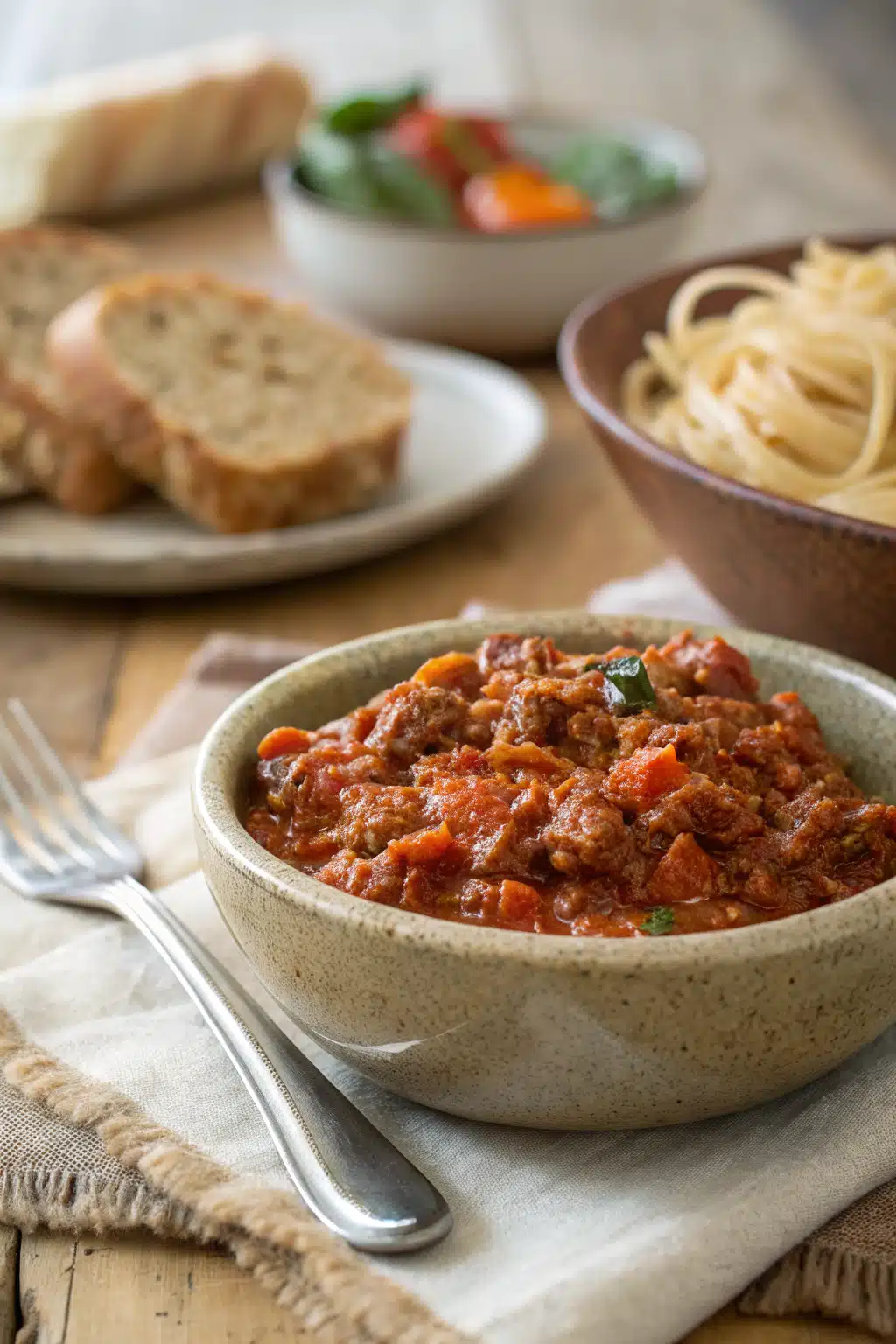
The classic pairing is tagliatelle pasta, but honestly? Any long-strand pasta works—fettuccine, pappardelle, or even spaghetti. Freshly cooked pasta tossed with a generous amount of hot sauce and a dusting of Parmesan is pure heaven. For a complete meal, serve with crusty bread on the side to soak up every last drop. A crisp green salad dressed simply with lemon and olive oil provides a bright contrast. And don’t skip the wine—a light Pinot Grigio or Chianti complements the richness beautifully. Leftovers? They only get better the next day as flavors continue to deepen. Reheat gently on the stove with a splash of broth or cream to restore moisture.
Top Tips for Perfecting Your Bolognese Sauce
Don’t skimp on prep: Finely chopping vegetables ensures they dissolve into the sauce rather than staying chunky. Use a mandoline if you want ultra-fine cuts.
Use quality ingredients: Good tomatoes, fresh herbs, and grass-fed beef make a noticeable difference. I swear by San Marzano tomatoes for their sweetness.
Simmer slowly: High heat causes the sauce to evaporate quickly and lose flavor. Low and slow is the name of the game.
Stir occasionally: Even though it’s mostly hands-off, give it a stir every 20 minutes to prevent sticking and ensure even cooking.
Let it rest: Off the heat, let the sauce sit for 10–15 minutes before serving. This allows flavors to meld further.
Storing and Reheating Tips
Store cooled Bolognese in airtight containers in the fridge for up to 5 days. It freezes exceptionally well—pour into freezer-safe jars or bags, leaving space for expansion. Thaw overnight in the refrigerator before reheating. To reheat, bring to a simmer on the stove over medium-low heat, stirring frequently. If it seems too thick, add a splash of broth, water, or even a tablespoon of cream to revive its silky texture. Never microwave—it won’t heat evenly and may break up the sauce.
Frequently Asked Questions
“Made the Bolognese sauce tonight and wow — perfect weeknight dinner. Will definitely make again!”
Final Thoughts
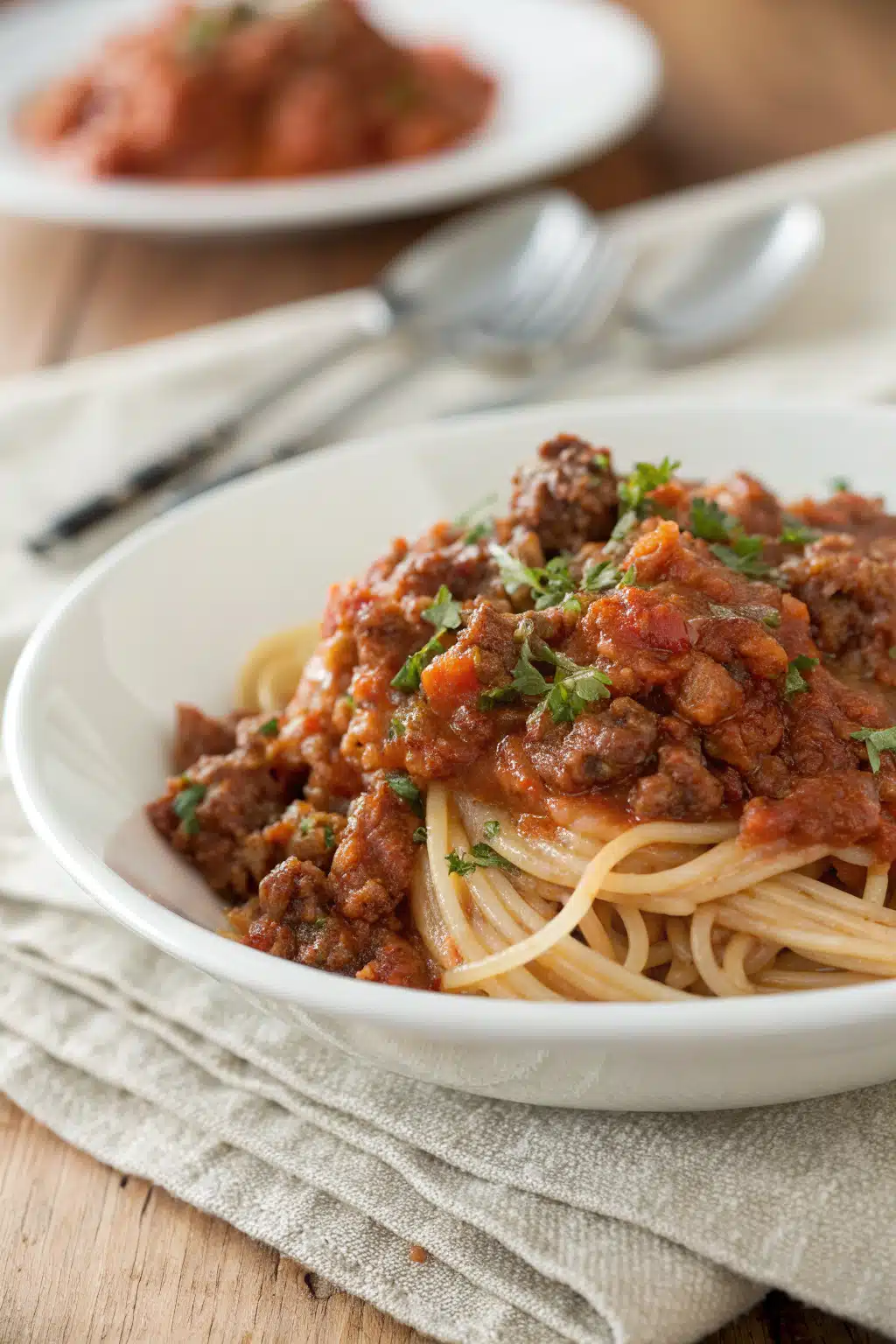
Making Bolognese isn’t just about feeding your family—it’s about sharing warmth, tradition, and a little bit of Italy with every bite. There’s magic in that slow simmer, in watching simple ingredients transform into something soul-warming and unforgettable. Whether you’re cooking for a special occasion or just craving comfort, this sauce delivers on every level. So go ahead—take your time, stir with love, and enjoy the process. Your kitchen will smell divine, and your loved ones will thank you long after the leftovers are gone.

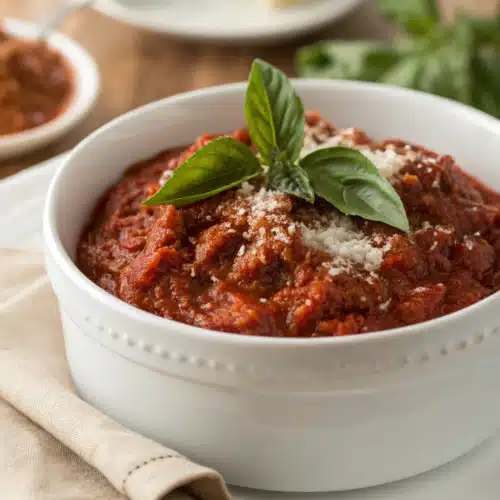
Classic Bolognese Sauce
Ingredients
Main Ingredients
- 2 tablespoons olive oil
- 1 medium onion, finely chopped
- 1 medium carrot, finely chopped
- 1 stalk celery, finely chopped
- 3 cloves garlic, minced
- 8 ounces ground beef (preferably chuck)
- 6 ounces ground pork
- 0.5 cup whole milk
- 0.5 cup dry red wine (e.g., Chianti)
- 28 oz crushed tomatoes
- 2 tablespoons tomato paste
- 1 cup beef or chicken broth
- 1 sprig fresh thyme
- 1 leaf bay leaf
- Salt and freshly ground black pepper to taste
- 1 ounce Parmesan cheese, grated (optional, for serving)
Instructions
Preparation Steps
- Heat olive oil in a large heavy-bottomed pot or Dutch oven over medium heat. Add the onion, carrot, and celery (the soffritto). Cook slowly, stirring occasionally, until softened and golden, about 10–12 minutes.
- Add the minced garlic and cook for another minute until fragrant.
- Increase heat to medium-high and add the ground beef and pork. Cook, breaking up the meat with a wooden spoon, until browned and no longer pink, about 8–10 minutes.
- Pour in the red wine and scrape up any browned bits from the bottom of the pot. Let it simmer until mostly evaporated, about 3–4 minutes.
- Stir in the tomato paste and cook for 1–2 minutes to deepen its flavor.
- Add the crushed tomatoes, broth, thyme, and bay leaf. Season with salt and pepper. Bring to a gentle simmer.
- Reduce heat to low, cover partially, and let the sauce simmer gently for at least 2 hours, stirring occasionally. For best flavor, cook up to 3–4 hours, adding a splash of broth if it becomes too thick.
- About 30 minutes before serving, stir in the milk to enrich the sauce and balance acidity.
- Remove the thyme sprig and bay leaf. Taste and adjust seasoning as needed.